
Industrial Lighting Product
Client
EDC
Timeframe
2025
Services
Product Design
Team
Soroush Doustvandi, Ali Dehghan, Mohammad Dehghan, Mohammad Hakiminia
Project Overview
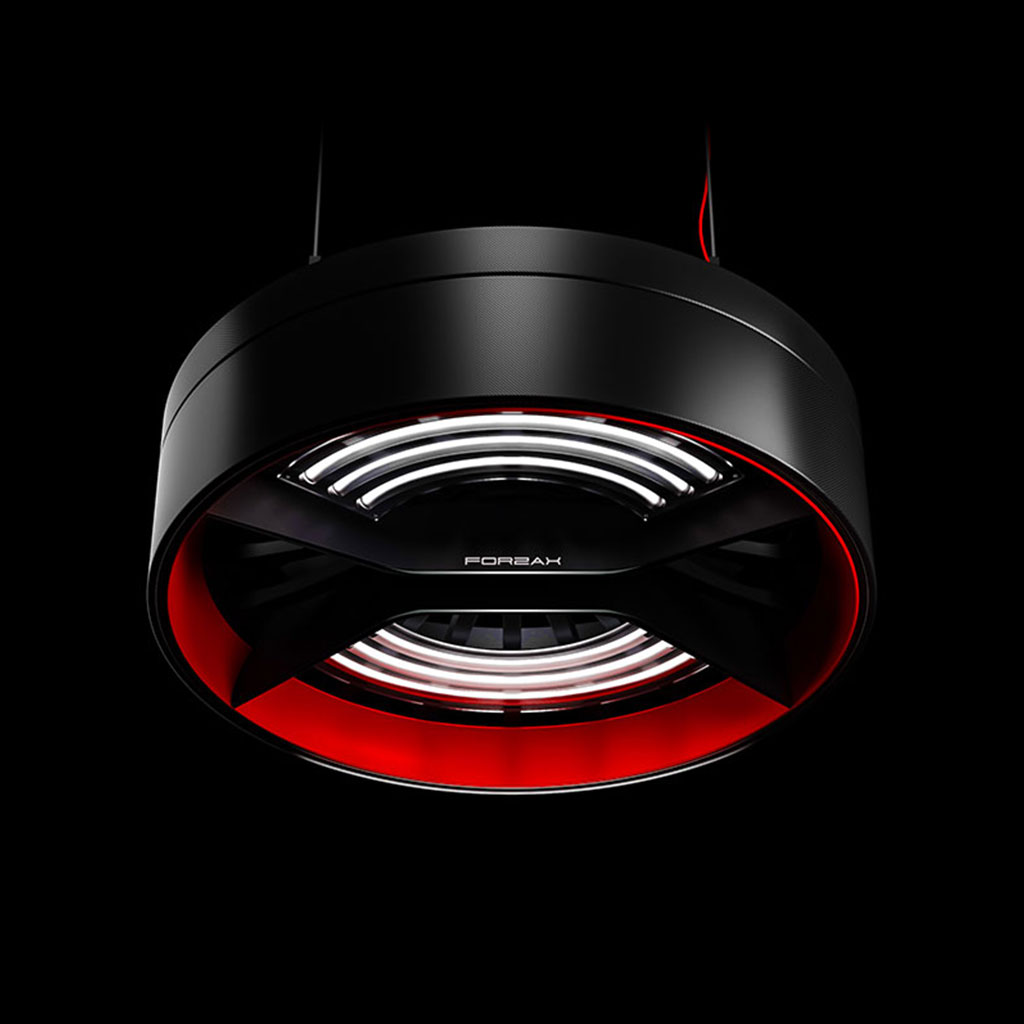
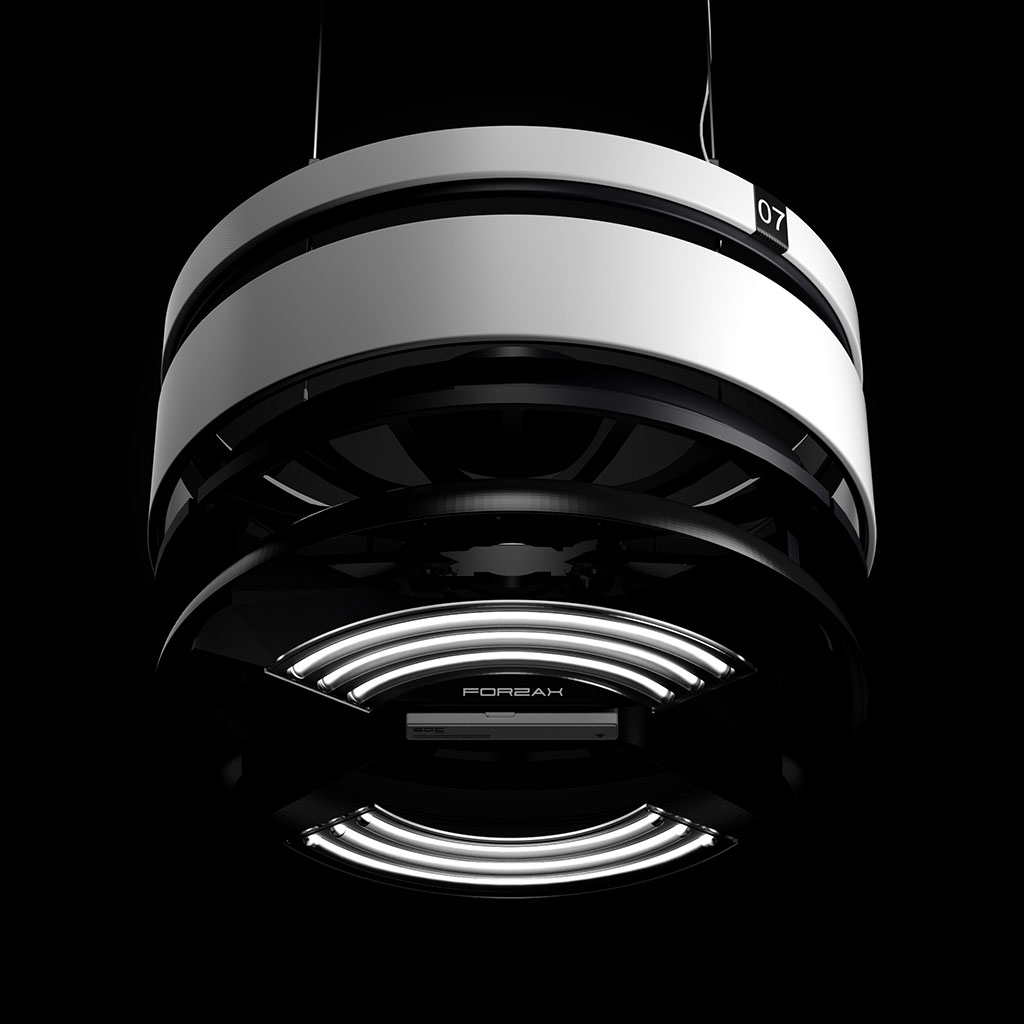
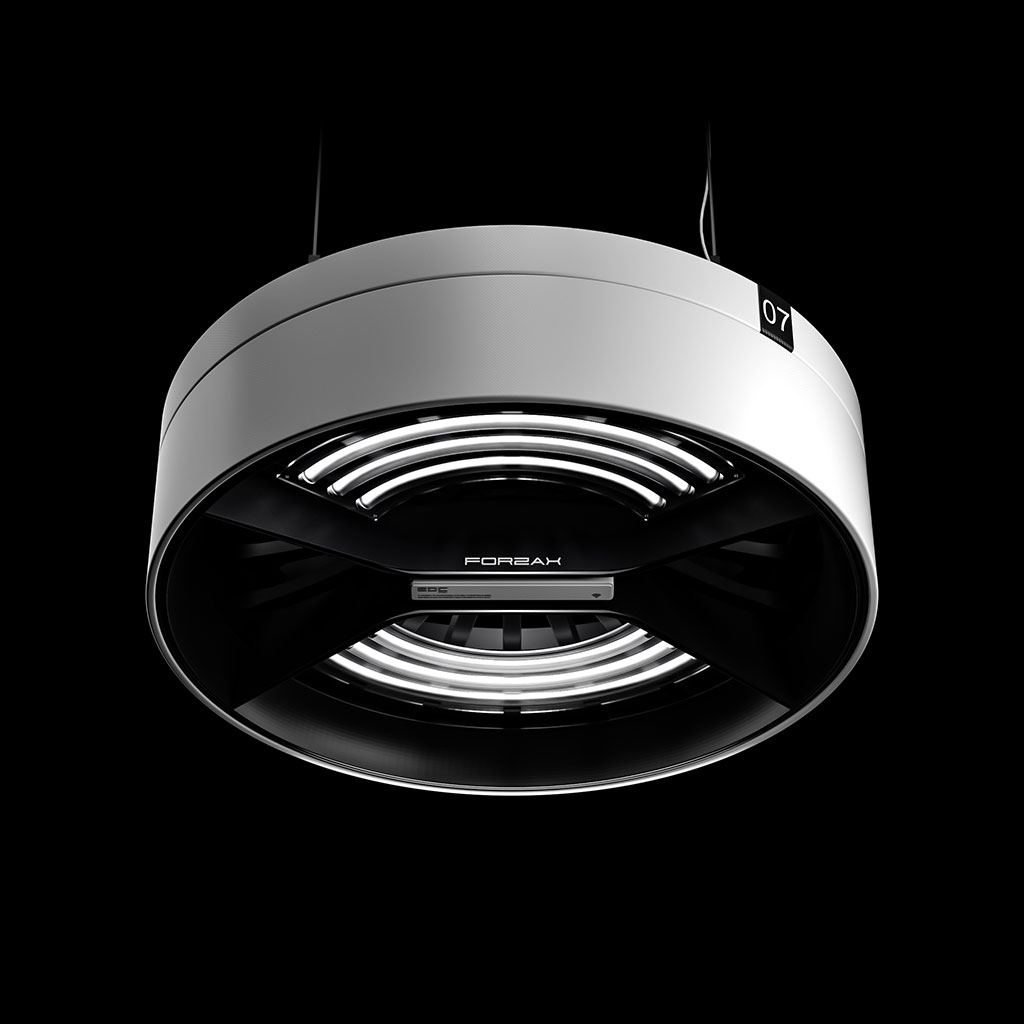
Forzax represents a groundbreaking fusion of automotive engineering precision and industrial lighting functionality. Drawing inspiration from the sleek, performance-driven aesthetics of high-end vehicles, Forzax lighting systems transform utilitarian factory and warehouse illumination into sophisticated, purpose-built solutions. Every fixture features clean, aerodynamic lines reminiscent of automotive bodywork, with robust housings engineered to withstand harsh industrial environments while maintaining visual harmony. This design philosophy shifts industrial lighting from mere utility objects to integrated architectural elements that enhance both workspace efficiency and brand identity.
- Automotive Design Logic Meets Industrial Lighting
- Precision Engineering Inspired by High-Performance Vehicles
- Ultra-Durable Materials Built for Harsh Industrial Environments
- Advanced Thermal Management for Maximum LED Longevity
Challenge
At the core of Forzax’s innovation is the application of automotive design logic to material selection, thermal management, and modularity. Just as car manufacturers optimize components for weight reduction, durability, and heat dissipation under extreme conditions, Forzax employs lightweight yet ultra-durable alloys and advanced composites. Integrated cooling systems mirror automotive radiator principles, ensuring LEDs maintain peak performance and longevity even in high-temperature or dusty settings. The modular architecture allows seamless scalability—much like interchangeable automotive platforms—enabling facilities to reconfigure lighting layouts rapidly without compromising structural integrity or optical consistency.
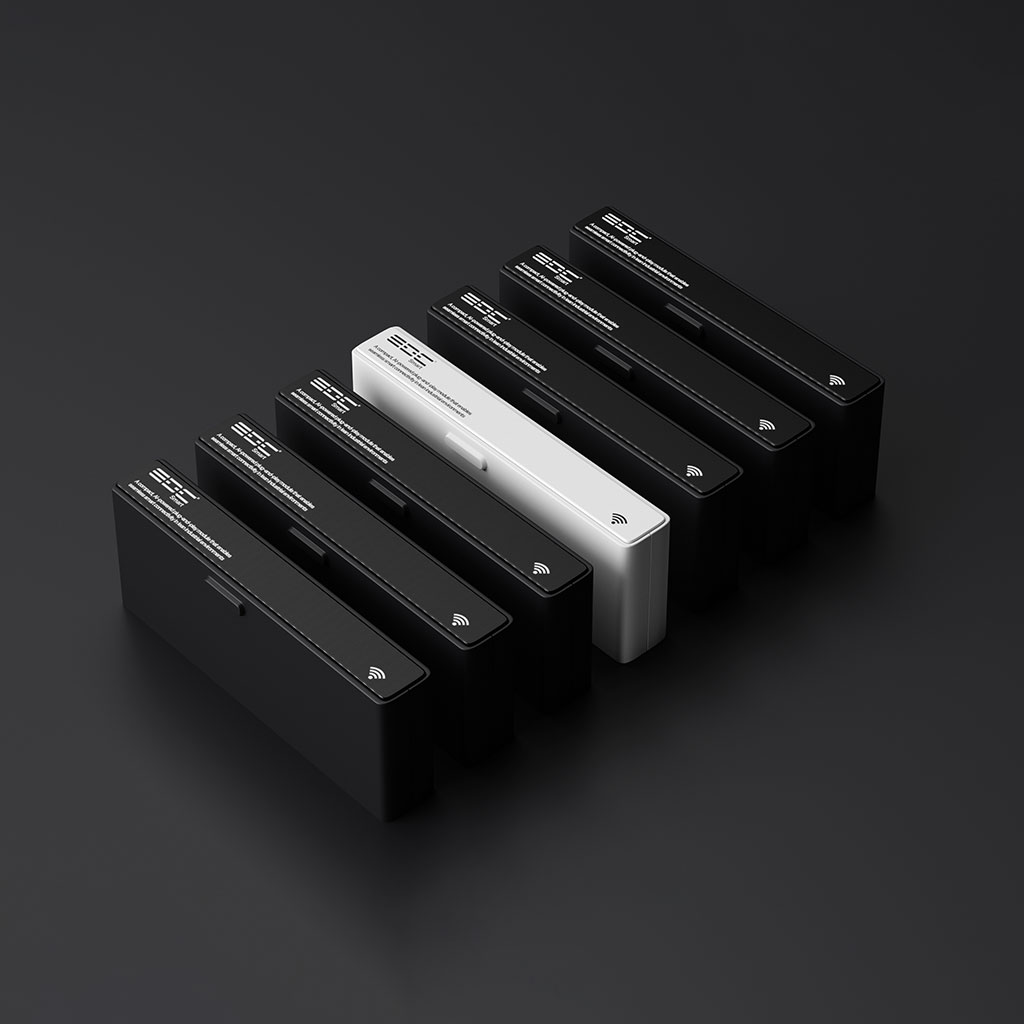
- Modular Architecture for Rapid Scalability and Reconfiguration
- Tool-Free Installation with Intuitive Automotive-Style Ergonomics
- High-CRI Precision Optics for Superior Visibility and Comfort
- Elevating Workspaces: Performance, Efficiency, and Aesthetic Excellence
Results
User-centric ergonomics further distinguish Forzax from conventional industrial lights. Inspired by intuitive automotive interiors, the fixtures incorporate tool-free mounting systems, adjustable beam angles with precision detents, and smart connectivity options that feel as responsive as modern vehicle dashboards. High-CRI optics deliver crisp, color-accurate illumination that reduces eye strain for workers, while customizable light distributions echo the focused beam patterns found in automotive headlights. This thoughtful attention to human factors results in measurable improvements in productivity, safety, and overall workplace satisfaction.
By bridging the worlds of automotive excellence and industrial demands, Forzax sets a new standard for premium lighting design. The collection proves that functional industrial solutions need not sacrifice elegance or innovation. Facilities adopting Forzax lighting benefit from reduced maintenance costs, superior energy efficiency, and an elevated aesthetic that reflects forward-thinking operational excellence. In an era where industrial environments increasingly prioritize both performance and experience, Forzax delivers lighting that doesn’t just work—it inspires.