
Exprimental Way
Project Overview
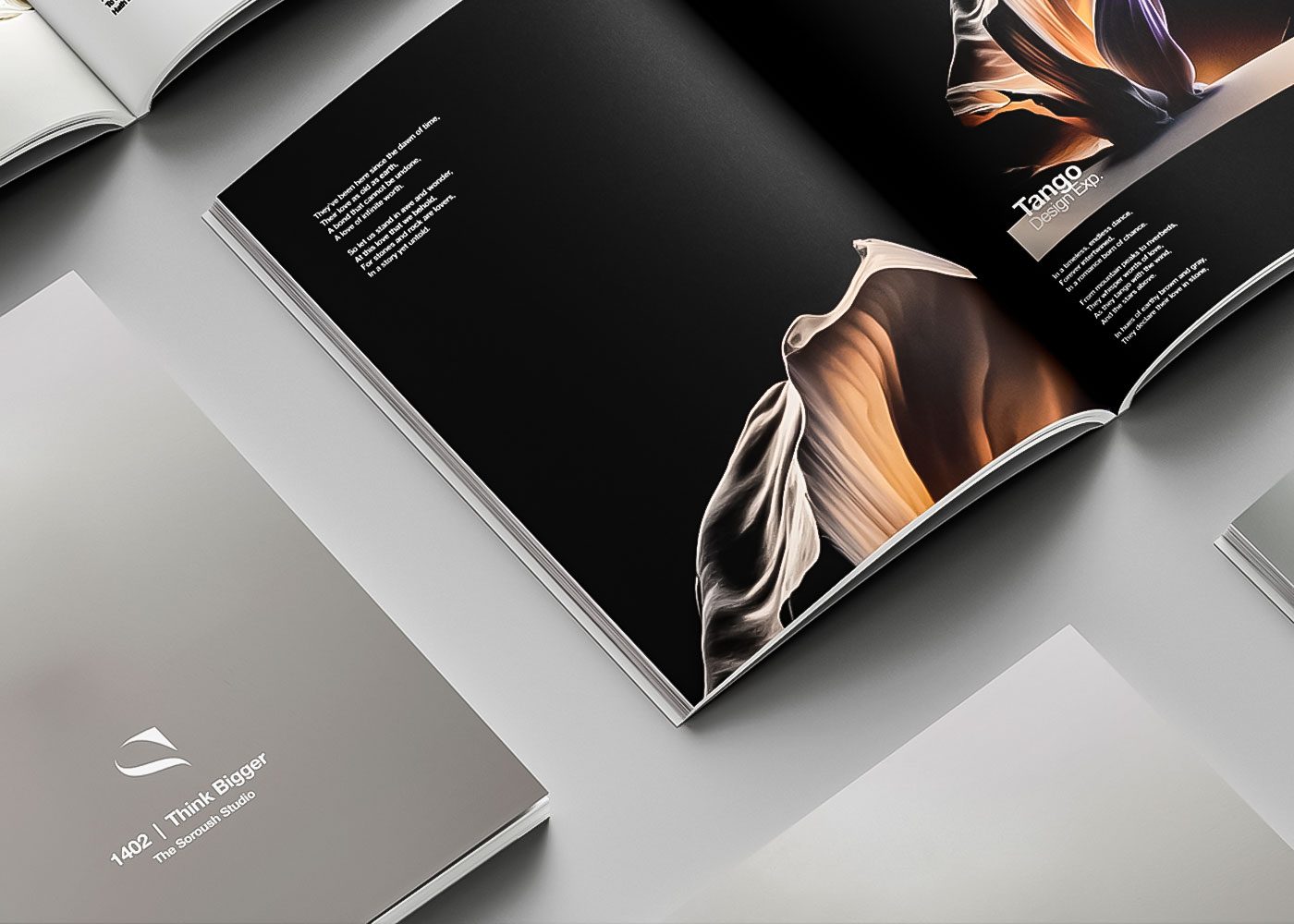
Before generative AI became accessible to everyone, I embarked on a deeply personal and experimental project to explore the untapped potential of artificial intelligence in product design and manufacturing. This collection represents my hands-on attempts to push the boundaries of what AI could do — not just as a tool for ideation, but as a genuine collaborator in turning concepts into manufacturable products.
In an era when advanced AI models were still largely behind closed doors or limited to research environments, I treated this project as a probe: testing AI’s creative capacity, its understanding of materials and production constraints, and its ability to iterate on real-world design challenges.
The core idea was simple yet ambitious: use emerging AI techniques to generate, refine, and validate product designs faster and more creatively than traditional methods allowed. I wanted to answer key questions:
- Could AI move beyond pretty visuals and actually propose designs that respect manufacturing realities (DFM — Design for Manufacturability)?
- How well could AI bridge the gap between abstract ideas and production-ready specifications?
- What new forms, functionalities, and user experiences become possible when human creativity is amplified by machine intelligence?




Challenge
This project is not a single finished product but a living archive of multiple design attempts. Each iteration explored different product categories, materials, and AI-driven workflows:
- Form Exploration: Early experiments focused on organic, generative shapes that would be difficult or impossible to conceive manually. AI helped generate complex geometries optimized for 3D printing, injection molding, and CNC machining.
- Functional Prototypes: Designs that integrated smart features, ergonomic considerations, and structural integrity — with AI assisting in topology optimization, stress analysis suggestions, and component integration.
- Material & Sustainability Probes: Attempts to incorporate recycled materials, lightweight composites, and novel manufacturing techniques, always challenging the AI to balance aesthetics, cost, and feasibility.
- Iterative Refinement Loops: Multiple rounds of generation → critique → redesign, simulating a real product development cycle but accelerated through AI.
Some concepts remained conceptual, others advanced to physical prototypes. Every attempt taught valuable lessons about AI’s strengths (rapid variation, unexpected solutions) and limitations (understanding nuanced manufacturing tolerances, contextual real-world constraints).
Why This Matters
This body of work predates the public explosion of tools like ChatGPT, Midjourney, or Stable Diffusion. It captures a raw, exploratory phase of AI-augmented design — a time when working with these systems felt more like pioneering than prompting.
The collection stands as both historical documentation and a testament to the power of curiosity-driven experimentation. It demonstrates how early adopters could already leverage AI to rethink product development, long before it became mainstream.
Through these experiments I gained:
- Deeper insight into prompt engineering and AI-human collaboration workflows
- Appreciation for the importance of manufacturability constraints in the design loop
- A rich visual and conceptual library that continues to inform my current work
- Confidence that AI is not just a trend but a fundamental shift in how we create
Today, these early probes serve as a foundation for more mature AI-integrated design practices. They remind me (and visitors) that innovation often starts in the garage — or in this case, in iterative conversations with emerging intelligence.